

The Greater Pittsburgh Nonprofit Partnership will celebrate its 20th anniversary in turbulent times. But its leaders know this environment also provides an opportunity for the organizations it convenes to be together, learn about new tools that can amplify their work and support each other.
Its “AI, Advocacy and Action: Shaping the Future of Policy and Social Impact” summit Dec. 4-6 at Nova Place on the North Side will bring together about 500 nonprofit leaders, policymakers, funders and civic partners to explore the future and spotlight award nominees and sector leaders advancing equity and driving change across southwestern Pennsylvania, according to a news release. GPNP, a program of the Forbes Funds, has 288 member organizations from an 11-county southwestern Pennsylvania region.
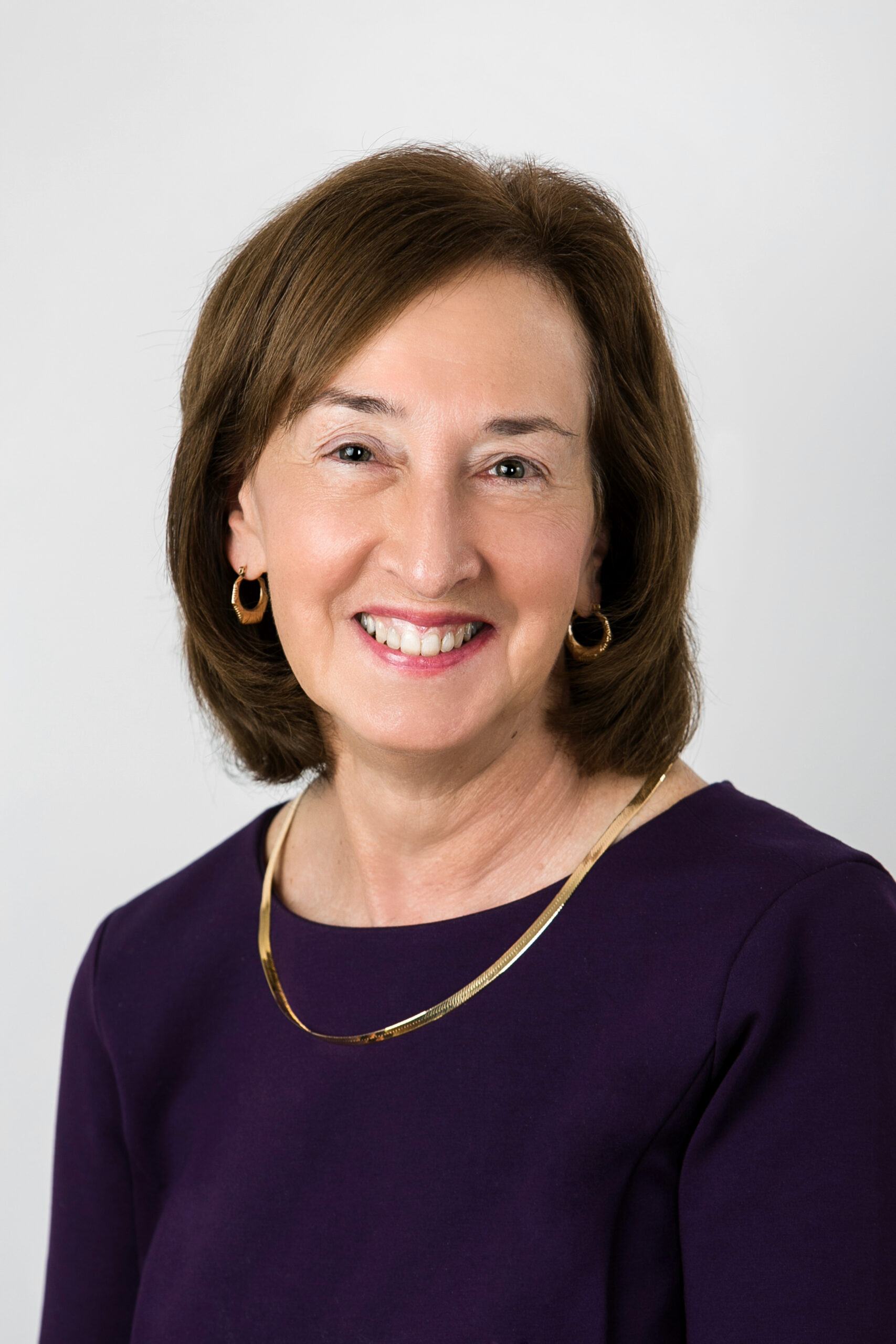
“For 20 years, GPNP has created collaboration, networks and innovation to strengthen our region,” said director Emily Francis in a news release. “This year, we’re doubling down on advocacy and technology to ensure nonprofits remain prepared for the challenges and opportunities ahead.”
Keynote speakers Amy Sample Ward, Darian Rodriguez Heyman and Vu Le will help celebrate the anniversary and provide insight on the nonprofit sector’s future at the biennial summit. Ward is the CEO of NTEN, a nonprofit that helps other nonprofits fulfill their missions through the skillful and racially equitable use of technology. Rodriguez founded Helping People Help, and Vu Le is a writer and speaker who formerly led Seattle nonprofit RVC. GitLab Foundation Chief Programs and Partnerships Officer Matt Zieger will focus on how technology and philanthropy intersect, and writer and podcaster Marie Beecham will close the summit with a message of hope.
Francis said the summit begins with an awards gala on Thursday night, continues with a focus on Policy in the Present Moment Friday evening, then ends with skill-builder sessions and workshops all day Saturday, themed Shaping the Future of Social Impact. Purposefully it scheduled this so attendance would not interfere with members’ and guests’ workday responsibilities.
Several awards will be given Friday to former GPNP and Forbes Fund leaders — Kevin Kearns, Greg Behr, Diana Bucco, Colleen Young and Sam Balbier. Four awards selected from nominations by members will be announced.
Francis said GPNP was founded on advocacy, and “in this present moment, advocacy has never been more important.”
One point that needs to be stressed in promoting that work, she said, is the impact nonprofits have on the economy, not just in the region but across the state. Pennsylvania Association of Nonprofit Organizations Executive Director Anne Gingerich will share with attendees statistics that bolster that fact. For example, nonprofits employ 13% of working Pennsylvania people. In Allegheny County, which has more than 8,500 nonprofits, that rises to 16%.
Those organizations offer residents important services, and summit attendees will learn how artificial intelligence tools can help them in appropriate and specific ways, built for their needs.
Francis said GPNP does not want to come off as disingenuous at the event. “The summit is not a panacea for all the things that are happening. We don’t have all the answers when it comes to AI,” she said. “We don’t have all the answers when it comes to the perfect thing to say to your elected official to make sure that they know the work that you do saves lives, or matters, or helps people with their next house payment. And so, coming together is really the best thing that we can offer.”

The summit does have a good number of keynote speakers, but that has been purposeful to explain how AI tools and advocacy can help these organizations. GPNP has already seen this at work. Francis said 67% of its members have budgets under $1 million, and it has seen those working with $200,000 annually already making very compelling marketing pushes and donor appeals and engaging their boards effectively.
Some of that success has been in large part because they are using AI tools and technology to cut down on administrative team and focus on services.
“They’re still doing incredible work that needs to be elevated, or I should say amplified, because we’re able to reach people differently despite the small budgets,” the director explained. “And so that’s where, I think in a lot of ways, the nonprofit sector is very unique because we’re able to reach people differently despite the small budgets.”
In other sectors, employees worry about AI stealing their jobs. She sees a difference with nonprofits.
“Most of us are doing three to four jobs anyway, and so lightening the load by eight to 12 hours a week on average to take over some of those tasks so we can be focused on the mission work and amplifying that message has been a real game changer over the last couple years,” Francis said. “And that’s what we’re really hoping to tell the story of at the summit.”
GPNP estimates 750 total attendees across all three days will hear all that in various ways and through all those speakers.
“Having direct conversations between nonprofit organizations who are experts in their community, and the elected officials who have constituents who are affected by all of these issues and served by those nonprofits, is really critical,” Francis said.
In addition to the technology, some of the focus will be on what community engagement and support needs to be right now, as organizations struggle to help patients whose SNAP benefits still have been delayed after the federal shutdown. President Donald Trump’s executive orders earlier in the year made some worry that they might be rebranded as terrorist organizations or supporting terrorism, placing their 501(c)(3) IRS designations in jeopardy.
She pointed out that Vu in particular will challenge those concerned how to maintain service delivery and be more proactive than reactive to policy and AI. Beecham will close the summit with a message of hope for everyone in this moment.
Francis said she will ask attendees at the conclusion, “What are the things that we can continue to check in with ourselves on to make sure that our work maintains humanity-centered focus?” and remind them that the summit enables the organizations to be “showing up for each other and showing up for ourselves in the ways that sustains us in this very tumultuous time.”
At this summit GPNP also will unveil its new advocacy training program. Francis said it will include four curricula available in an online learning management system and have plenty of evergreen resources. It will start in the first quarter of 2026.
GPNP will also showcase its new member directory, the More Power Together Network. It took its prior directory off its website when it became clear from Trump’s executive orders that certain nonprofit organizations were to be targeted. It didn’t want its directory to be searchable that way.
The new listing will enable members to look for other nonprofits offering the same or similar services, consultants to connect with and more.
“It will be a way for nonprofits to connect to each other more quickly and efficiently,” she said. It will be “a zero-second referral process.” For example, if an organization is getting questions from clients about housing, such as supportive or rapid rehousing, other questions might arise regarding food insecurity or mental health resources. On the directory, they can find quickly nonprofit organizations that offer those.
Francis had previously worked for the United Way, including its statewide 211 call system. While those calls would be documented by its navigator and worked well with follow-up support, it was incumbent on the organizations it linked to keep their information up to date.
AI tools enable that to be done quickly, and with chatbots more common and accessible, the new system can connect right away to those additional services and organizations. It will eliminate the need for additional online research outside of the directory.
With all this, Francis said GPNP wants attendees to emerge from the summit with a sense of hope and community.
She noted that she had talked to Variety Pittsburgh CEO Tom Baker, a longtime regional nonprofit leader, and he told her he thinks of the summit as a homecoming or wedding, a way to see people you may not have seen for some years to reconnect and celebrate.
As GPNP marks its first 20 years of offering an array of services that provide its members with opportunities to deliver a unified voice on emerging public policies that positions the sector to be a collaborative driver of social change, according to its website, it is looking ahead.
Francis said the Forbes Fund wants to be sure “we support nonprofits in being in scenario planning mode rather than crisis planning mode. Helping them in a webinar or update is great, she said, but giving them the tools to be able to make the changes and thrive in what comes next is a challenge.
“I also think it’s something that the Forbes Funds has done very well for the last 43 years,” she said.
The Forbes Funds strengthens nonprofit leadership, innovation and impact across southwestern Pennsylvania and beyond, according to the news release. As a catalyst for collaboration between funders, community leaders and mission-driven organizations, it equips nonprofits with the tools, training and technology to build capacity, foster equity and drive sustainable social change.
Part of that has included many difficult conversations, and nonprofits come to it when they are having real challenges.
“When it comes to supporting those organizations, creating a space where they can have vulnerable and courageous conversations but also walk away with the resources and that feeling of hope and purpose afterward, I know that’s going to continue,” Francis said. “We might just look a little bit different in terms of how we do that.”
Registration for the summit is available on its website. Attendees can also sign up for any of the three days on site at Nova Place, 100 S. Commons, Pittsburgh, PA 15212.


Helen is a copy editor at the Pittsburgh Post-Gazette, but she's currently on strike. Contact her at hfallon@unionprogress.com.